
singer 7258 manual
Singer 7258 Manual: A Comprehensive Guide
This guide provides detailed instructions for the Singer Stylist 7258 sewing machine, covering setup, operation, maintenance, and troubleshooting for optimal performance.
The Singer Stylist 7258 is a popular, computerised sewing machine renowned for its versatility and ease of use. This electro-mechanical device features a horizontal rotating hook, offering smooth and reliable stitching. Boasting 100 built-in stitch patterns, it caters to a wide range of sewing projects, from basic garment construction to quilting and decorative embellishments.
Designed for both beginners and experienced sewers, the 7258 offers user-friendly controls and adjustable settings for stitch length, width, and tension. Its robust construction ensures durability, while its lightweight design allows for convenient portability. Accessing the comprehensive Singer 7258 manual is crucial for unlocking the machine’s full potential and ensuring years of successful sewing.
Key Features and Specifications
The Singer Stylist 7258 boasts an impressive array of features. It includes 100 built-in stitches – essential, decorative, and stretch options – providing versatility for diverse projects. A fully adjustable stitch length and width allows for customisation, while the automatic needle threader simplifies setup. The top drop-in bobbin system with a clear cover ensures easy monitoring of thread supply.
Specifications include a 6.7” (170mm) working area, providing ample space for larger projects. It offers 10 needle positions for precise stitch placement. The machine’s free arm is ideal for cuffs and sleeves. It operates at a maximum sewing speed of 750 stitches per minute. The 7258 is compatible with Singer System 130/705H needles, ensuring optimal performance.
Unboxing and Initial Setup
Upon unboxing your Singer Stylist 7258, carefully remove all packaging materials. Verify all included accessories are present: power cord, foot pedal, accessory box (containing various presser feet, bobbins, needles, screwdriver, and seam ripper), and the machine itself.

For initial setup, attach the power cord and foot pedal. Wind a bobbin with thread, following the machine’s diagram. Insert the bobbin into the drop-in bobbin case. Thread the machine, referencing the detailed threading guide – ensuring correct path for upper and lower threading. Install a needle (System 130/705H). Finally, test the machine with scrap fabric to confirm proper operation before starting your project.

Understanding the Machine Components
Familiarize yourself with key parts like the power switch, foot pedal, needle, presser foot, bobbin winder, and thread tension dial for effective operation.
The Power Switch and Foot Pedal
The Singer 7258 features a clearly marked power switch, typically located on the machine’s side or back, controlling the main power supply. Ensure the switch is in the “Off” position when not in use or during threading and maintenance.
The foot pedal regulates sewing speed; gentle pressure creates slower stitching, while increased pressure results in faster operation. It’s crucial for precise control during various sewing tasks. The pedal connects to the machine via a cord, and proper connection is essential for functionality.
Always disconnect the foot pedal when performing any internal maintenance or changing the needle. A malfunctioning foot pedal can often be identified by inconsistent speed control or a complete lack of response. Regularly check the cord for damage.
Bobbin Winding and Insertion
Winding the bobbin on the Singer 7258 involves placing the thread spool on the spool pin and guiding the thread through the tension disc and bobbin winder. Engage the bobbin winder and start the machine using the foot pedal to evenly wind the thread onto the bobbin.
For insertion, locate the bobbin case – a horizontal slot typically at the front of the machine. Insert the wound bobbin, ensuring the thread unwinds in the correct direction as indicated by the diagram on the machine.
Proper threading through the tension spring within the bobbin case is vital for balanced stitches. Incorrect bobbin insertion can lead to skipped stitches or thread bunching. Always refer to the machine’s diagrams for accurate guidance.
Thread Path and Tension Adjustment
Following the correct thread path is crucial for proper sewing on the Singer 7258. Begin by placing the thread spool on the spool pin, then guide it through the thread guides, tension discs, and finally, the take-up lever. Ensure the thread is securely seated in each component.
Tension adjustment impacts stitch quality. The tension dial controls the tightness of the upper thread. Higher numbers increase tension, while lower numbers decrease it.
Experiment with settings to achieve balanced stitches – the upper and bobbin threads should interlock evenly within the fabric. Incorrect tension causes looping or puckering. Consult the manual’s diagrams for optimal settings based on fabric type and thread weight.
Needle Types and Installation
The Singer 7258 accommodates various needle types, each suited for different fabrics. Universal needles work well for woven fabrics, while ballpoint needles are ideal for knits to prevent snagging; Denim needles are designed for heavier materials like denim and canvas. Stretch needles are best for highly elastic fabrics.
To install a needle, ensure the machine is turned off. Loosen the needle clamp screw using the screwdriver. Insert the flat side of the needle towards the back of the machine.
Tighten the screw firmly, but avoid over-tightening. Always use the correct needle size for your fabric to ensure optimal stitch quality and prevent damage to the machine.

Basic Sewing Operations
Mastering fundamental techniques like straight and zigzag stitching, adjusting stitch length/width, and reverse stitching unlocks the Singer 7258’s full potential.
Straight Stitching
The straight stitch is the foundation of most sewing projects, and the Singer Stylist 7258 excels at this basic operation; Begin by threading the machine correctly, ensuring the thread is properly seated in the tension discs and through the needle. Select the straight stitch option – typically stitch number ‘1’ – on the stitch selection dial.
Adjust the stitch length according to your fabric and desired outcome; a shorter stitch is ideal for delicate fabrics, while a longer stitch suits heavier materials. Practice on a scrap fabric first to confirm your settings. Gently guide the fabric under the presser foot, maintaining a consistent speed. Avoid pulling or pushing the fabric, allowing the machine to feed it evenly.
For a neat finish, backstitch at the beginning and end of each seam to secure the stitches. Remember to always use the appropriate needle for your fabric type to prevent damage and ensure optimal stitch quality.
Zigzag Stitching
The zigzag stitch on the Singer Stylist 7258 offers versatility for various applications, from finishing raw edges to creating decorative designs. Select the zigzag stitch option on the stitch selection dial; the specific stitch number may vary, so consult your manual. Adjust both the stitch length and width using the corresponding dials. A wider zigzag is ideal for preventing fabric fraying, while a narrower stitch is suitable for appliqué or decorative work.
Practice on scrap fabric to determine the optimal settings for your project. Ensure consistent fabric feeding by gently guiding it under the presser foot. The zigzag stitch is also useful for sewing stretch fabrics, allowing the seam to expand and contract with the material.
Experiment with different stitch lengths and widths to achieve unique effects and secure seams effectively.
Adjusting Stitch Length and Width
The Singer 7258 allows precise control over stitch length and width, crucial for adapting to different fabrics and sewing tasks. Locate the stitch length dial, typically marked with measurements in millimeters. Shorter stitch lengths are ideal for delicate fabrics or reinforcing seams, while longer lengths are suitable for basting or gathering.
The stitch width dial controls the side-to-side deviation of the needle, primarily affecting zigzag and decorative stitches. Wider widths create bolder designs or secure edges, while narrower widths offer subtle embellishments. Always test settings on scrap fabric before starting your project.
Refer to the manual for recommended settings based on fabric type and desired effect. Consistent adjustments ensure professional-looking results.
Reverse Stitching
Reverse stitching, often used for securing seams at the beginning and end of a sewing line, is easily achieved on the Singer 7258. Typically, a reverse lever or button located near the handwheel activates this function. Press and hold this lever while gently pressing the foot pedal to sew in reverse.
Releasing the lever immediately returns the machine to forward stitching. It’s crucial to use reverse stitching sparingly – a few stitches are usually sufficient to prevent unraveling. Excessive reverse stitching can cause puckering or strain on the fabric.
Consult your 7258 manual for the specific location of the reverse control and recommended techniques for optimal seam security.

Advanced Stitching Techniques
Explore decorative stitches, buttonholes, zipper insertion, and simulated overlock options with your Singer 7258, expanding your sewing capabilities and project variety.
Decorative Stitching Options
The Singer Stylist 7258 boasts an impressive array of 100 built-in stitches, extending far beyond basic sewing. This includes a diverse selection of decorative stitches designed to embellish your projects with unique flair. From delicate floral patterns to bold geometric designs, the possibilities are vast.
Experiment with different stitch widths and lengths to customize the appearance of each design. The manual provides stitch charts illustrating each pattern and recommended settings for various fabrics. Utilize these stitches for monograms, decorative edging, creating textured backgrounds, or adding personalized touches to garments and home décor items. Don’t hesitate to test stitches on scrap fabric before applying them to your final project to ensure desired results. The 7258 empowers creativity, allowing you to transform ordinary items into extraordinary creations.
Buttonhole Sewing
The Singer Stylist 7258 simplifies buttonhole creation with its one-step buttonhole feature. This automated process ensures consistently sized and professionally finished buttonholes. The machine offers several buttonhole styles, allowing you to select the appropriate size and shape for your buttons.
Before starting, attach the buttonhole foot. Consult the manual for a detailed chart correlating button size to the correct buttonhole setting. Place the button at the back of the buttonhole foot as a guide. The machine automatically sews the buttonhole, including bar tacks for reinforcement. Carefully cut open the buttonhole after sewing, avoiding damage to the stitches. Practice on scrap fabric to master the technique and achieve perfect buttonholes every time. This feature significantly streamlines garment construction.
Zipper Insertion
The Singer Stylist 7258 offers a dedicated zipper foot for precise and professional zipper application. This foot allows you to sew close to the zipper teeth, creating a neat and secure finish. The manual details several zipper insertion techniques, including centered, overlapped, and invisible zippers.
Begin by attaching the zipper foot. Pin the zipper tape to the fabric, ensuring the zipper is slightly open. Select a straight stitch and adjust the stitch length as needed. Carefully guide the fabric under the zipper foot, keeping the zipper teeth aligned. Backstitch at the beginning and end of each seam for added durability. Practice on scrap fabric to refine your technique and achieve flawless zipper installations. Proper alignment and consistent stitching are key to a professional result.
Overlock Stitching (Simulated)
The Singer Stylist 7258 doesn’t have a dedicated overlock stitch, but it can simulate one using a reinforced zigzag stitch. This technique provides a neat, finished edge, preventing fabric fraying, ideal for knit fabrics or projects needing a durable seam. The manual illustrates how to adjust stitch width and length to achieve the desired overlock effect.
Select a zigzag stitch and experiment with wider stitch widths and slightly longer stitch lengths. A three-step zigzag is often recommended. Test on scrap fabric to find the optimal settings for your material. Trim the excess fabric close to the simulated overlock stitch for a clean finish. While not a true overlock, this method offers a functional and aesthetically pleasing alternative for edge finishing on your Singer 7258.

Maintenance and Troubleshooting
Regular cleaning, lubrication, and addressing common issues like thread jams are crucial for maintaining your Singer 7258’s performance and longevity.
Cleaning the Machine
Maintaining a clean Singer 7258 is vital for smooth operation and preventing mechanical issues. Always unplug the machine before cleaning! Begin by removing the needle and presser foot. Use a brush (often included with the machine) to remove lint and debris from the bobbin area, feed dogs, and around the needle plate.
A small vacuum cleaner with a brush attachment can also be helpful. For stubborn lint, a lint roller can be used carefully. Wipe down the exterior surfaces with a soft, damp cloth. Avoid using harsh chemicals or abrasive cleaners, as these can damage the machine’s finish. Pay attention to areas where oil accumulates, as dust can stick to it. Regular cleaning, ideally after each use, will significantly extend the life of your Singer 7258.
Oil Points and Lubrication
Proper lubrication ensures the Singer 7258 operates smoothly and quietly. Refer to your manual for specific oil points, typically located around the bobbin area, hook mechanism, and motor. Use only sewing machine oil – never use oil intended for other purposes. Apply a small drop of oil to each point, and then operate the machine briefly to distribute the oil.
Avoid over-oiling, as excess oil can attract dust and create a sticky residue. Wipe away any excess oil with a clean cloth. Lubricate regularly, generally every few months with moderate use, or more frequently with heavy use. Consistent lubrication prevents wear and tear, extending the lifespan of your machine and maintaining optimal performance.
Troubleshooting Common Problems
Encountering issues? The Singer 7258, like any machine, can experience occasional problems. Thread bunching often indicates incorrect threading or tension adjustments. If the needle breaks, ensure you’re using the correct type and size for your fabric. Skipped stitches can stem from a dull or improperly inserted needle.
For motor issues, check the power cord and foot pedal connections. If the machine is noisy, lubrication may be needed. Consult the manual’s troubleshooting section for detailed solutions to these and other common problems. Remember to always unplug the machine before attempting any repairs or adjustments.
Replacing the Needle
A dull or bent needle significantly impacts stitch quality. To replace the needle on your Singer 7258, always power off and unplug the machine; Loosen the needle clamp screw using the screwdriver included with your machine. Gently remove the old needle, ensuring the flat side faces the back of the machine.
Insert a new needle, again with the flat side towards the back. Tighten the needle clamp screw securely, but avoid over-tightening. Regularly replacing the needle – after every 8 hours of use or when changing fabric types – ensures optimal sewing performance and prevents damage to your machine.
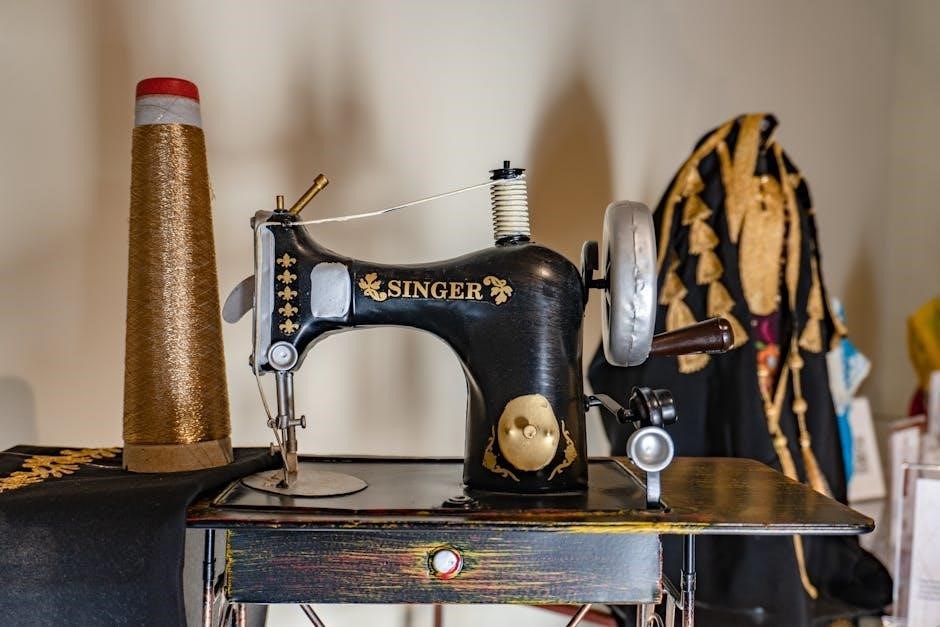
Downloading the Singer 7258 Manual
Access the Singer 7258 manual easily through the official Singer website or trusted third-party sites for detailed guidance and troubleshooting assistance.
Official Singer Website Resources
Singer’s official website is the primary and most reliable source for your Singer Stylist 7258 manual. Navigating to the support section allows you to search for your specific model number – 7258 – to instantly locate the downloadable PDF version of the complete user guide.
These resources often include frequently asked questions (FAQs), helpful video tutorials demonstrating key features, and troubleshooting guides to address common issues you might encounter. Singer frequently updates its online resources, ensuring you have access to the latest information and support materials.
Furthermore, the website provides access to parts lists, allowing you to easily identify and order replacement components when needed. Registering your machine on the Singer website unlocks additional benefits, including exclusive content and promotional offers. Always prioritize the official Singer website for accurate and up-to-date documentation.
Third-Party Manual Download Sites
While the official Singer website is preferred, several third-party websites offer Singer 7258 manuals for download. Sites like “Швейный мир” (Sewing World) provide access to a vast library of sewing machine manuals, including those for Singer models. However, exercise caution when using these resources.
Always verify the legitimacy of the website and scan downloaded files for viruses before opening them. Manuals found on these sites may not always be the most current version or may contain inaccuracies. Cross-reference information with the official Singer documentation whenever possible.
These sites can be useful if you’re unable to locate the manual on the Singer website, but prioritize official sources for reliability. Be aware of potential risks associated with downloading files from unfamiliar websites and proceed with caution.
Using the Manual for Reference
The Singer 7258 manual serves as an invaluable resource, even for experienced sewers. It details every function, from basic stitching to advanced techniques like buttonholes and simulated overlocking. Don’t hesitate to consult it, even if you’ve owned the machine for a while – details are easily forgotten!

Refer to the manual for troubleshooting common issues, understanding stitch patterns, and proper maintenance procedures. It outlines cleaning steps and lubrication points to ensure longevity. As one user noted, revisiting the manual helps avoid skipped steps and ensures optimal machine performance.
Keep the manual readily accessible for quick reference during projects. Familiarize yourself with the diagrams and explanations to maximize your sewing experience with the Singer Stylist 7258.

Safety Precautions
Always prioritize safety when operating the Singer 7258. Follow electrical guidelines, exercise needle caution, and adhere to general sewing machine safety rules.
General Safety Guidelines

Before operating your Singer Stylist 7258, carefully read the entire manual to understand its functions and safety features. Always disconnect the machine from the power source when not in use, during threading, changing the needle, or performing any maintenance. Keep fingers away from moving parts, especially the needle and foot, to prevent injuries.
Never pull fabric while sewing; let the machine feed it evenly. Use only genuine Singer accessories and attachments to ensure proper operation and avoid damage. Do not attempt to repair the machine yourself; contact a qualified technician for assistance. Supervise children when they are near the sewing machine, and ensure they understand the potential hazards. Maintain a clean and well-lit workspace to prevent accidents and ensure optimal visibility.
Electrical Safety
To ensure safe operation of your Singer Stylist 7258, always use a properly grounded electrical outlet with the correct voltage. Never operate the machine with a damaged power cord or plug; replace them immediately. Avoid using extension cords if possible, and if necessary, use a heavy-duty cord rated for the machine’s amperage.
Do not expose the machine to moisture or operate it outdoors. Before cleaning or performing maintenance, always unplug the machine from the power source. Never attempt to disassemble or modify the electrical components. If the machine malfunctions or emits unusual smells or sounds, immediately disconnect it from the power and contact a qualified service technician. Regular inspection of the power cord is crucial for preventing electrical hazards.
Needle Safety
Always disconnect the power supply before changing or working near the needle on your Singer Stylist 7258. Use only Singer-approved needles appropriate for your fabric type and thread weight. Insert the needle correctly, ensuring it’s fully pushed up into the needle clamp. Never sew with a bent or damaged needle, as it can break and cause injury.
Handle used needles with care and dispose of them responsibly, ideally in a designated sharps container. Keep needles out of reach of children. When threading the machine, avoid pulling on the thread with excessive force, as this can cause the needle to move unexpectedly. Regularly inspect the needle for signs of wear or damage, and replace it as needed to maintain safe and efficient sewing.
Leave a Reply
You must be logged in to post a comment.