schroth exercises pdf
Schroth Exercises PDF: A Comprehensive Guide
Schroth method PDFs offer accessible, individualized exercises for scoliosis, focusing on 3D correction, breathing, and postural awareness. SOSORT recommends these PSSE interventions.
What is the Schroth Method?
The Schroth Method is a scoliosis-specific exercise (PSSE) approach, recognized by the Society on Scoliosis Orthopaedic and Rehabilitation Treatment (SOSORT), as a vital option to potentially halt or decelerate curve progression. Unlike generalized exercises, Schroth is highly individualized, built upon a thorough understanding of each patient’s unique spinal curve pattern.
It’s not merely about strengthening muscles; it’s a holistic system encompassing patient education, self-correction in three dimensions, and adapting daily activities to maintain a corrected posture. A core component involves learning to actively engage postural muscles while simultaneously utilizing specific breathing techniques. This combination aims to de-rotate, elongate, and stabilize the spine.
The method emphasizes achieving postural correction not just during exercises, but also during functional movements – sitting, standing, walking – integrating the principles into everyday life. Mirror work is crucial, providing visual feedback to synchronize movement and postural perception, as initially emphasized by Katharina Schroth herself.

History of the Schroth Method
The Schroth Method originated in Germany in the 1920s with Katharina Schroth, who herself suffered from scoliosis. Dissatisfied with conventional treatments of the time – primarily bracing and surgery – she began developing a series of exercises based on her own experiences and observations. Her initial focus was on correcting breathing patterns and their impact on spinal alignment.
Schroth’s early work culminated in a pamphlet detailing her approach, emphasizing the crucial role of breathing and postural correction. She established a clinic in Germany, and the method gradually gained recognition within Europe.
Over time, her daughter, Christa Lehnert-Schroth, further refined and systematized the method, introducing a more detailed classification system for curve patterns and developing specific exercises tailored to each type. Today, the Schroth Method continues to evolve, with ongoing research and adaptations, but remains rooted in the principles established by its founder, offering a non-invasive alternative for scoliosis management.
Principles of Schroth Exercises
Schroth Exercises are distinguished by their holistic approach, moving beyond simple stretching or strengthening. A core principle is three-dimensional correction, addressing the scoliosis curve in all planes of motion – sagittal, frontal, and transverse. This isn’t just about straightening the spine; it’s about restoring it to a more functional and balanced position.
Breathing techniques are integral, utilizing specific respiratory patterns to de-rotate and elongate the spine. These aren’t standard deep breaths; they’re carefully coordinated maneuvers designed to create space and influence the curve.
Postural awareness and mirroring play a vital role. Patients learn to recognize their distorted posture and actively correct it, often using a mirror to provide visual feedback and reinforce the corrective movements. This self-correction is then integrated into daily activities, promoting long-term postural changes.
Three-Dimensional Correction
Three-dimensional correction is the cornerstone of the Schroth method, differentiating it from traditional scoliosis treatments. Unlike approaches focusing solely on the frontal plane (side-bending), Schroth addresses the curve’s complexity in all three dimensions: sagittal (forward/backward), frontal (side-to-side), and transverse (rotation).
This holistic approach recognizes that scoliosis isn’t a simple lateral curvature but a complex, rotational deformity. Exercises are specifically designed to de-rotate the spine, correct sagittal plane imbalances, and achieve a more balanced posture.
Schroth PDFs illustrate how exercises target these three planes simultaneously, utilizing postural corrections and breathing techniques to achieve optimal spinal alignment. The goal is not merely cosmetic; it’s to restore functional movement and prevent curve progression by addressing the root cause of the deformity.
Breathing Techniques in Schroth
Breathing is integral to the Schroth method, serving as a powerful tool for three-dimensional correction. Specific breathing patterns aren’t simply about oxygen intake; they’re strategically employed to create space within the concavity of the scoliotic curve.
Schroth PDFs detail how targeted breathing exercises help to mobilize the rib cage and spine, allowing for improved postural correction. By consciously directing breath into specific areas, patients can actively work to de-rotate and elongate the spine.
The original Schroth program heavily emphasized breathing’s functional correction, as highlighted in her early pamphlets. This technique synchronizes movement with visual input via mirror monitoring, enhancing postural perception. Mastering these breathing patterns is crucial for achieving and maintaining corrective postures, ultimately contributing to curve stabilization.
Postural Awareness and Mirroring
Schroth PDFs emphasize the critical role of postural awareness, guiding patients to actively recognize and understand their scoliotic posture. This self-awareness is foundational for initiating corrective movements. A key component is utilizing a mirror during exercises.
Mirroring, central to the original Schroth program, allows patients to visually monitor their movements and synchronize corrective actions with their postural perception. This visual feedback loop is essential for learning and internalizing the correct postural alignment.
The mirror isn’t just for observing; it facilitates a connection between the patient’s kinesthetic sense and visual input, reinforcing the corrective movements. Schroth exercises within PDF resources often include detailed instructions on proper mirror setup and usage, ensuring effective self-correction and long-term postural improvements.

Benefits of Schroth Exercises for Scoliosis
Schroth exercises, detailed in PDF guides, aim to impact Cobb angle, enhance life quality, and reduce trunk rotation, offering a non-surgical approach.
Impact on Cobb Angle
Schroth exercises, often accessed through detailed PDF resources, demonstrate potential in influencing the Cobb angle, a key measurement in scoliosis assessment. Research, including a randomized controlled trial detailed in a published study, suggests that incorporating Schroth methods alongside standard care can lead to improved Cobb angle outcomes in adolescents with idiopathic scoliosis.
While not a cure, the Schroth method, as outlined in comprehensive PDF guides, aims to stabilize and potentially reduce the progression of the curve. The Society on Scoliosis Orthopaedic and Rehabilitation Treatment (SOSORT) recognizes scoliosis-specific exercises (PSSE), like Schroth, as valuable for slowing curve progression. These PDF resources emphasize individualized plans, auto-correction techniques, and adjusted daily activities, all contributing to potential positive changes in the Cobb angle. However, it’s crucial to remember that results vary, and consistent application is key.
Improvement in Quality of Life
Schroth exercises, readily available through PDF guides, extend beyond physical correction, significantly impacting a patient’s quality of life. Individuals with scoliosis often experience pain, limited mobility, and body image concerns. Comprehensive Schroth programs, detailed in accessible PDF formats, address these issues through postural correction, breathing techniques, and increased body awareness.
By actively participating in their treatment via PDF-guided exercises, patients gain a sense of control and empowerment. The Schroth method, as recommended by SOSORT, focuses on integrating corrective movements into daily activities, fostering functional improvement and reducing limitations; This leads to enhanced physical function, reduced pain, and improved self-esteem. Accessing these exercises through PDF resources allows for convenient and consistent practice, contributing to a more positive outlook and overall improved quality of life for individuals managing scoliosis.

Reduction of Trunk Rotation
Schroth exercises, often accessed via detailed PDF resources, specifically target the rotational component of scoliosis, a key factor in curve progression. These PDF guides illustrate techniques designed to de-rotate the spine in three dimensions, counteracting the twisting forces that contribute to deformity. The Schroth method emphasizes active patient participation, utilizing postural correction and breathing exercises to achieve this.
SOSORT recognizes Physiotherapeutic Scoliosis-Specific Exercises (PSSE), like the Schroth method, as effective in addressing trunk rotation. PDF materials provide visual aids and step-by-step instructions, enabling patients to perform these exercises correctly. By actively working to correct rotational imbalances, individuals can improve spinal alignment, reduce rib cage asymmetry, and enhance overall postural stability. Consistent practice, facilitated by readily available PDF guides, is crucial for achieving and maintaining these improvements, leading to a noticeable reduction in trunk rotation.
Accessing Schroth Exercises: PDF Resources
Schroth exercise PDFs provide convenient access to scoliosis-specific exercises. Reliable sources offer detailed instructions, illustrations, and progressions for effective, home-based practice.
Finding Reliable Schroth Exercise PDFs
Locating trustworthy Schroth exercise PDFs requires careful consideration. Numerous online resources exist, but their quality and accuracy vary significantly. Prioritize PDFs originating from reputable scoliosis clinics, certified Schroth therapists, or established organizations like SOSORT (Society on Scoliosis Orthopaedic and Rehabilitation Treatment).
Be cautious of generic exercise guides lacking specific scoliosis focus. Look for resources explicitly mentioning the Schroth Method and its core principles – three-dimensional correction, breathing techniques, and postural awareness. Websites of certified Schroth instructors often provide downloadable materials or links to vetted resources.
Avoid PDFs promising quick fixes or unrealistic results. Effective Schroth treatment is a progressive process requiring consistent effort and qualified guidance. Always cross-reference information with a healthcare professional before starting any new exercise program, especially if you have scoliosis. Remember, a reliable PDF will empower you with knowledge, not misleading claims.
What to Look for in a Schroth PDF
A quality Schroth exercise PDF should prioritize clarity and detail. Exercise Illustrations and Descriptions are crucial; look for clear visuals demonstrating correct form and alignment for each exercise. Detailed written instructions should accompany each image, explaining the movement’s purpose and proper execution.
Progression Levels are essential, as Schroth exercises are not “one-size-fits-all.” The PDF should outline exercises suitable for beginners, intermediate, and advanced practitioners, allowing for gradual increases in difficulty.
Safety Guidelines are paramount. The PDF must include warnings about potential risks, contraindications, and the importance of listening to your body. It should emphasize the need for qualified instruction and discourage self-treatment without professional guidance. A good resource will also highlight the importance of synchronizing corrective movements with visual input, utilizing mirror monitoring as part of the process.
Exercise Illustrations and Descriptions
Detailed exercise illustrations within a Schroth PDF are non-negotiable. High-quality images or diagrams should clearly depict the starting position, movement path, and final posture for each exercise. These visuals must showcase the three-dimensional correction principles central to the Schroth method.
Accompanying descriptions need to be precise and comprehensive. They should explain how to perform the exercise, emphasizing key postural adjustments and breathing coordination. Instructions should detail which muscles are engaged and what sensations to expect.
The PDF should avoid ambiguous language, using anatomical terms where appropriate, but also providing layman’s explanations. Clear cues regarding spinal alignment, rib cage mobilization, and shoulder positioning are vital. The goal is to enable users to understand and replicate the exercises accurately, minimizing the risk of improper form and potential injury.
Progression Levels
A well-structured Schroth PDF shouldn’t present exercises as a one-size-fits-all solution. Instead, it must incorporate clearly defined progression levels, catering to varying degrees of scoliosis severity and individual patient capabilities. Beginner exercises should focus on foundational breathing and postural awareness, building a base for more complex movements.
Intermediate levels introduce exercises demanding greater spinal control and muscle engagement. Advanced stages challenge stability and endurance, incorporating functional movements mimicking daily activities. Each level should detail specific criteria for advancement – for example, maintaining correct form for a set duration or repetitions.
The PDF should explicitly state when to progress, warning against rushing the process. It’s crucial to emphasize that progression isn’t solely based on time, but on achieving mastery of each exercise at its current level, ensuring safety and effectiveness.
Safety Guidelines
A comprehensive Schroth PDF must prioritize safety, explicitly outlining potential risks and precautions. It should strongly advise consulting a qualified Schroth therapist before commencing any exercise program, emphasizing the need for individualized instruction.
The PDF should detail contraindications – conditions where Schroth exercises are unsuitable, such as acute inflammation or unstable fractures. Clear warnings about proper form are vital, highlighting potential harm from incorrect execution. Instructions should encourage listening to the body, stopping immediately if pain arises.
Furthermore, the document should advise a gradual warm-up before exercises and a cool-down afterward. It’s crucial to emphasize that the PDF serves as a supplement to, not a replacement for, professional guidance. A disclaimer stating the author/provider isn’t liable for injuries resulting from self-treatment is also recommended.
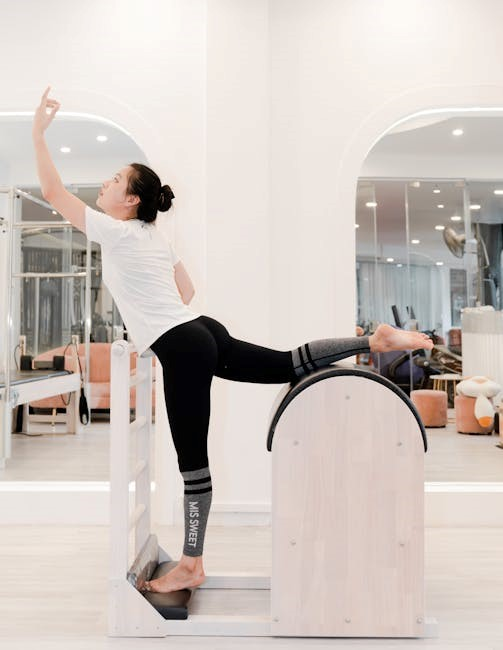
Implementing Schroth Exercises
Schroth exercises require qualified instruction for personalized plans. Integrating these PSSE into daily life, guided by a PDF and therapist, maximizes benefits and ensures correct form.
Importance of Qualified Instruction
Schroth exercises, while potentially accessible through PDF resources, are significantly more effective – and safer – when implemented under the guidance of a certified therapist. The method’s complexity necessitates professional oversight to ensure correct execution of the three-dimensional corrections. A qualified instructor can accurately assess an individual’s scoliosis curve and tailor an exercise plan accordingly.
Simply following a Schroth PDF without proper instruction risks performing the exercises incorrectly, potentially exacerbating the curve or causing discomfort. Therapists provide real-time feedback on postural adjustments, breathing techniques, and auto-correction maneuvers. They also educate patients on integrating these principles into daily activities, maximizing the long-term benefits.
Furthermore, a skilled instructor understands the nuances of progression, ensuring exercises are appropriately challenging without being overwhelming. This individualized approach is crucial for optimal outcomes, aligning with SOSORT recommendations for PSSE.
Individualized Exercise Plans
While Schroth exercise PDFs can offer a general overview, true effectiveness stems from plans meticulously tailored to each patient’s unique scoliosis presentation. Curve patterns vary significantly, demanding a customized approach that addresses specific vertebral rotations and asymmetries. A standardized PDF cannot replicate this level of personalization.
A qualified Schroth therapist conducts a thorough assessment, analyzing the Cobb angle, curve flexibility, and postural imbalances. This informs the selection of exercises targeting the specific areas of concern. The plan isn’t static; it evolves as the patient progresses, adapting to improvements in curve correction and postural control.
SOSORT emphasizes the importance of individualized PSSE, and the Schroth method embodies this principle. Effective plans incorporate not only corrective exercises but also strategies for integrating postural awareness into daily activities, ensuring lasting benefits beyond the therapy session. A generic PDF lacks this crucial adaptive element.

Integrating Schroth into Daily Life
Simply performing Schroth exercises during therapy sessions isn’t enough; lasting correction requires consistent integration into everyday movements. While a Schroth exercise PDF provides the exercises, it cannot teach the nuanced application throughout daily activities. This involves consciously maintaining corrected posture during sitting, standing, walking, and even lifting.
The goal is to make corrective principles automatic, transforming postural habits. This means actively engaging core muscles and maintaining spinal alignment while performing routine tasks. A qualified therapist guides this process, providing personalized cues and strategies.
SOSORT’s recommendations highlight the importance of adjusted activities of daily living. A PDF can illustrate exercises, but it can’t provide the real-time feedback and individualized guidance needed to seamlessly incorporate Schroth principles into a patient’s lifestyle, maximizing long-term benefits and preventing curve progression.
Current Research and SOSORT Recommendations
Recent research, including a meta-analysis published on PMC, supports the effectiveness of the Schroth method as a conservative treatment for adolescent idiopathic scoliosis. Studies demonstrate potential for improvements in Cobb angle, quality of life, and trunk rotation. However, a need exists for cost-benefit analyses before widespread implementation.
The Society on Scoliosis Orthopaedic and Rehabilitation Treatment (SOSORT) strongly recommends scoliosis-specific exercises (PSSE), with the Schroth method being a prominent intervention. SOSORT defines PSSE as individualized, encompassing patient education, 3D auto-correction, and postural stabilization.
While a Schroth exercise PDF can be a useful resource, it’s crucial to remember that optimal outcomes rely on qualified instruction and a tailored exercise plan. Research emphasizes the importance of blinded, randomized controlled trials to validate exercise efficacy and guide clinical practice.
Leave a Reply
You must be logged in to post a comment.